
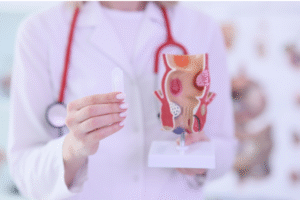
Problems related to the anal and rectal area are more common than people realize, yet many patients hesitate to talk about them due to embarrassment. Conditions like piles, fissure, and fistula are among the most common anorectal disorders affecting both men and women. Although these conditions may share similar symptoms such as pain, bleeding, or discomfort during bowel movements, they are very different in terms of causes, severity, and treatment.
Understanding the difference between piles vs fissure vs fistula is important for early diagnosis and proper treatment. Ignoring symptoms or self-medicating can often worsen the condition and lead to complications.
In this blog, we will explain the difference between piles, fissure, and fistula, their symptoms, causes, and the available treatment options.
What Are Piles (Hemorrhoids)?
Piles, also known as hemorrhoids, are swollen and inflamed veins in the rectum or anus. They are similar to varicose veins and usually develop due to increased pressure in the lower rectum.
Piles are very common, especially in people who suffer from chronic constipation or prolonged sitting.
Types of Piles
Piles are generally classified into two types:
- Internal Piles
- Located inside the rectum
- Usually painless
- May cause bleeding during bowel movements
- External Piles
- Located around the anal opening
- Can cause pain, swelling, and irritation
Symptoms of Piles
Common piles symptoms include:
- Bright red bleeding during bowel movements
- Itching around the anus
- Pain or discomfort while sitting
- Swelling near the anal opening
- A lump around the anus
If these symptoms persist, it is important to consult an experienced surgeon such as Dr. Manu Shankar for proper evaluation and treatment.
What Is an Anal Fissure?
An anal fissure is a small tear or cut in the lining of the anus. It usually occurs when passing hard stools or due to severe constipation.
Unlike piles, fissures are extremely painful and may cause severe discomfort during bowel movements.
Common Causes of Anal Fissure
- Chronic constipation
- Passing hard stools
- Straining during bowel movements
- Prolonged diarrhea
- Childbirth in women
Symptoms of Anal Fissure
Typical anal fissure symptoms include:
- Sharp pain during or after passing stool
- Burning sensation in the anal region
- Bright red blood on toilet paper
- A visible tear near the anus
- Muscle spasms around the anal opening
Pain from a fissure may last for several minutes or even hours after bowel movements.
What Is an Anal Fistula?
An anal fistula is an abnormal tunnel or tract that forms between the inside of the anal canal and the skin near the anus.
It usually develops as a result of an infection or abscess in the anal glands. If the infection is not properly treated, it can lead to the formation of a fistula.
Causes of Anal Fistula
Common causes include:
- Anal abscess or infection
- Crohn’s disease
- Tuberculosis infection
- Trauma or injury to the anal region
- Previous anorectal surgery
Symptoms of Anal Fistula
Typical fistula symptoms include:
- Persistent pain near the anus
- Pus or discharge from an opening near the anus
- Swelling and redness around the anal area
- Recurrent infections
- Pain while sitting or walking
Unlike piles or fissures, fistulas usually do not heal on their own and often require surgical treatment.
Key Differences Between Piles, Fissure, and Fistula
Many patients confuse these conditions because they affect the same region. However, their causes and symptoms are different.
| Condition | What It Is | Main Symptoms | Treatment |
| Piles | Swollen veins in the rectum | Bleeding, swelling, itching | Medicines or surgery |
| Fissure | Tear in the anal lining | Severe pain, bleeding | Medicines or minor surgery |
| Fistula | Abnormal tunnel near anus | Pus discharge, pain | Surgical treatment |
Understanding these differences can help patients seek the right medical care.
Risk Factors for These Conditions
Several lifestyle factors increase the risk of developing piles, fissures, or fistulas.
Common risk factors include:
- Chronic constipation
- Low fiber diet
- Lack of physical activity
- Obesity
- Prolonged sitting
- Pregnancy
- Straining during bowel movements
Adopting a healthy lifestyle can significantly reduce the risk of anorectal disorders.
Treatment Options for Piles
The treatment for piles (hemorrhoids) depends on the severity of symptoms.
Lifestyle and Dietary Changes
In early stages, simple lifestyle modifications may help relieve symptoms:
- Eating high-fiber foods
- Drinking plenty of water
- Avoiding prolonged sitting
- Regular exercise
Medications
Doctors may prescribe medications such as:
- Pain relief ointments
- Anti-inflammatory creams
- Stool softeners
Minimally Invasive Treatments
If symptoms persist, procedures such as laser piles treatment or rubber band ligation may be recommended.
Surgical Treatment
Severe piles may require surgical removal through hemorrhoidectomy.
Treatment Options for Anal Fissure
Most fissures can heal with conservative treatment if diagnosed early.
Non-Surgical Treatment
- Warm sitz baths
- High fiber diet
- Stool softeners
- Medicated creams to relax anal muscles
Surgical Treatment
If the fissure becomes chronic and does not heal with medications, surgery such as lateral internal sphincterotomy may be recommended.
Treatment Options for Anal Fistula
Unlike piles or fissures, fistulas usually require surgery because the abnormal tract does not close on its own.
Common Surgical Treatments
- Fistulotomy – opening and cleaning the fistula tract
- Laser fistula surgery – minimally invasive treatment
- Seton placement – used in complex fistulas
Advanced surgical techniques allow faster recovery and reduced discomfort.
Patients looking for advanced treatment for piles, fissure, or fistula can consult experienced surgeons like Dr. Manu Shankar who specialize in modern minimally invasive procedures.
When Should You See a Doctor?
Many people delay treatment because they assume these conditions will heal on their own. However, medical attention is necessary if you experience:
- Persistent bleeding during bowel movements
- Severe anal pain
- Lump near the anus
- Pus discharge from the anal area
- Recurring infections
Early diagnosis can prevent complications and reduce the need for major surgery.
Prevention Tips
Simple lifestyle changes can help prevent piles, fissures, and fistulas.
Maintain a High-Fiber Diet
Foods rich in fiber help prevent constipation and reduce strain during bowel movements.
Examples include:
- Fruits
- Vegetables
- Whole grains
- Legumes
Drink Plenty of Water
Adequate hydration helps keep stools soft and easy to pass.
Stay Physically Active
Regular exercise improves digestion and bowel movements.
Avoid Straining
Do not strain excessively during bowel movements, as it increases pressure in the anal region.
Why Early Treatment Matters
Ignoring symptoms of anorectal conditions can lead to complications such as:
- Severe pain and bleeding
- Infection
- Chronic fissures
- Complex fistulas
Seeking early treatment ensures faster recovery and better outcomes.
If you are experiencing symptoms such as bleeding, anal pain, swelling, or discharge, consulting an experienced surgeon like Dr. Manu Shankar can help you receive the right diagnosis and effective treatment.
FAQs
Are piles, fissure, and fistula the same?
No. These are three different conditions affecting the anal region with different causes and treatments.
Which condition causes the most pain?
Anal fissures usually cause the most intense pain during bowel movements.
Can piles turn into fistula?
No. Piles do not turn into fistula, but untreated infections in the anal area may lead to fistula formation.
Can these conditions be treated without surgery?
Many cases of piles and fissures can be treated with medications and lifestyle changes, but fistulas often require surgery.
Which doctor should I consult for piles or fissure?
You should consult a general surgeon or colorectal specialist for proper diagnosis and treatment.