
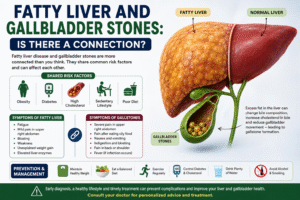
Fatty liver disease and gallbladder stones are two of the most common digestive health problems seen in adults today. While many people think these are separate conditions, medical experts have observed a strong connection between the two. In fact, individuals diagnosed with fatty liver are often found to have gallstones as well — especially those who are overweight, diabetic, or living a sedentary lifestyle.
Understanding the relationship between fatty liver and gallbladder stones can help patients recognize symptoms early, improve their lifestyle, and seek timely treatment before complications develop.
What Is Fatty Liver Disease?
Fatty liver disease occurs when excess fat accumulates in the liver cells. Normally, the liver contains a small amount of fat, but when fat makes up more than 5–10% of the liver’s weight, it is considered fatty liver disease.
There are two major types:
- Non-Alcoholic Fatty Liver Disease (NAFLD)
This is the most common type and is usually linked to:
- Obesity
- Diabetes
- High cholesterol
- Poor diet
- Lack of exercise
- Alcoholic Fatty Liver Disease
This occurs due to excessive alcohol consumption.
In India, non-alcoholic fatty liver disease is rapidly increasing because of unhealthy eating habits, processed foods, stress, and reduced physical activity.
What Are Gallbladder Stones?
Gallbladder stones, also called gallstones, are hardened deposits that form inside the gallbladder — a small organ located below the liver. The gallbladder stores bile, a digestive fluid produced by the liver.
Gallstones can vary in size from tiny grains to large stones and may cause severe abdominal pain if they block the bile ducts.
Common Types of Gallstones
- Cholesterol stones (most common)
- Pigment stones
- Mixed stones
Is There a Connection Between Fatty Liver and Gallstones?
Yes, there is a significant connection between fatty liver disease and gallbladder stones.
Both conditions are closely linked to:
- Obesity
- Metabolic syndrome
- Diabetes
- High cholesterol
- Insulin resistance
- Poor dietary habits
When the body’s fat metabolism becomes abnormal, it can affect both the liver and the gallbladder simultaneously.
How Fatty Liver Can Increase the Risk of Gallstones
The liver produces bile, which helps digest fats. In fatty liver disease, liver function may become altered, affecting bile composition. This imbalance can lead to:
- Increased cholesterol in bile
- Reduced gallbladder movement
- Slower emptying of the gallbladder
As a result, cholesterol crystals may form and gradually turn into gallstones.
Shared Risk Factors Between Fatty Liver and Gallstones
People with the following conditions are at higher risk of developing both diseases:
Obesity
Excess body fat increases cholesterol levels and fat accumulation in the liver.
Diabetes
High blood sugar affects metabolism and bile composition.
High Cholesterol
Elevated cholesterol levels contribute to cholesterol stone formation.
Sedentary Lifestyle
Lack of exercise slows metabolism and increases fat storage.
Poor Diet
High intake of oily, processed, and sugary foods increases the risk of both conditions.
Rapid Weight Loss
Sudden weight loss can disturb bile balance and increase gallstone formation.
Symptoms of Fatty Liver Disease
Fatty liver disease may not cause symptoms in the early stages. However, some people experience:
- Fatigue
- Mild pain in the upper right abdomen
- Bloating
- Weakness
- Unexplained weight gain
- Elevated liver enzymes in blood tests
Advanced fatty liver disease may lead to inflammation, liver fibrosis, or cirrhosis.
Symptoms of Gallbladder Stones
Gallstones can remain silent for years. However, when symptoms occur, they may include:
- Severe pain in the upper right abdomen
- Pain after eating oily food
- Nausea and vomiting
- Indigestion
- Bloating
- Back or shoulder pain
- Fever (if infection develops)
Gallstone pain usually occurs suddenly and may last from minutes to hours.
Can Fatty Liver Cause Gallbladder Pain?
Fatty liver itself usually causes mild discomfort rather than severe pain. However, many patients with fatty liver also develop gallstones, which can lead to intense abdominal pain.
Therefore, if a patient with fatty liver experiences:
- Sharp abdominal pain
- Pain after meals
- Vomiting
- Fever
they should undergo evaluation for gallbladder disease.
How Are These Conditions Diagnosed?
Ultrasound Scan
Ultrasound is the most common test used to detect:
- Fatty liver
- Gallstones
- Gallbladder inflammation
Liver Function Tests (LFT)
These blood tests assess liver health and inflammation.
Lipid Profile
Checks cholesterol and triglyceride levels.
CT Scan or MRI
In complex cases, advanced imaging may be recommended.
Can Gallstones Damage the Liver?
Yes. If gallstones block the bile ducts for a prolonged period, they can affect liver function and cause complications such as:
- Jaundice
- Bile duct infection
- Liver inflammation
- Pancreatitis
Timely treatment is important to prevent serious health problems.
Treatment for Fatty Liver Disease
Currently, there is no single medicine that completely cures fatty liver disease. Treatment mainly focuses on lifestyle improvement.
Weight Reduction
Losing 7–10% of body weight can significantly reduce liver fat.
Healthy Diet
Doctors usually recommend:
- Fresh fruits and vegetables
- High-fiber foods
- Lean proteins
- Whole grains
- Reduced sugar intake
- Low-fat diet
Regular Exercise
At least 30–45 minutes of daily exercise can improve liver health.
Control Diabetes and Cholesterol
Managing metabolic disorders helps reduce liver damage.
Avoid Alcohol
Alcohol can worsen liver inflammation.
Treatment for Gallbladder Stones
Treatment depends on symptoms and stone size.
Observation
Silent gallstones may not require immediate treatment.
Medications
In selected cases, medicines may help dissolve small cholesterol stones.
Laparoscopic Gallbladder Surgery
Symptomatic gallstones are usually treated with laparoscopic cholecystectomy — a minimally invasive surgery to remove the gallbladder.
Benefits include:
- Smaller cuts
- Faster recovery
- Less pain
- Short hospital stay
Can Fatty Liver Improve After Gallbladder Surgery?
Gallbladder surgery treats gallstones but does not directly cure fatty liver disease. However, many patients improve their overall digestive health after surgery by adopting healthier lifestyle habits.
Fatty liver management still requires:
- Weight control
- Healthy eating
- Exercise
- Metabolic control
Foods to Avoid in Fatty Liver and Gallstones
Patients should limit:
- Fried foods
- Fast food
- Sugary drinks
- Refined carbohydrates
- Processed meat
- Excessive dairy fat
- Alcohol
Best Foods for Liver and Gallbladder Health
Recommended foods include:
- Green leafy vegetables
- Oats
- Fruits
- Nuts
- Olive oil
- Fish rich in omega-3
- Whole grains
- Lentils and legumes
Hydration is also essential for maintaining healthy digestion and bile flow.
Can These Conditions Be Prevented?
Yes. Lifestyle changes play a major role in prevention.
Prevention Tips
- Maintain healthy body weight
- Exercise regularly
- Avoid junk food
- Reduce sugar intake
- Control cholesterol
- Manage diabetes
- Avoid smoking and alcohol
- Eat balanced meals on time
Early diagnosis and regular health checkups can also prevent complications.
When Should You See a Doctor?
Consult a doctor if you experience:
- Persistent upper abdominal pain
- Bloating after meals
- Recurrent indigestion
- Sudden severe stomach pain
- Yellowing of eyes or skin
- Vomiting with fever
Ignoring symptoms may lead to complications requiring emergency treatment.
Final Thoughts
Fatty liver disease and gallbladder stones are closely connected metabolic conditions that are becoming increasingly common due to modern lifestyle habits. While fatty liver affects the liver’s ability to process fats efficiently, gallstones develop because of changes in bile composition and cholesterol metabolism.
The good news is that both conditions can often be managed — and even prevented — through timely diagnosis, healthy eating, regular exercise, and proper medical care.
If you are experiencing digestive symptoms, abdominal discomfort, or have been diagnosed with fatty liver disease, it is important to undergo evaluation for gallbladder problems as well. Early treatment can help prevent complications and improve long-term digestive health.
FAQs
Can fatty liver and gallstones occur together?
Yes. Both conditions commonly occur together because they share risk factors such as obesity, diabetes, and high cholesterol.
Is fatty liver dangerous?
Early fatty liver is usually reversible, but untreated disease may progress to liver inflammation, fibrosis, or cirrhosis.
Do all gallstones require surgery?
No. Silent gallstones may only need monitoring. Symptomatic gallstones usually require surgery.
Can exercise reduce fatty liver?
Yes. Regular exercise helps reduce liver fat and improves metabolism.
What is the best test for detecting fatty liver and gallstones?
Ultrasound is the most commonly used and effective initial test for both conditions.
Can diet improve fatty liver?
Absolutely. A healthy low-fat, low-sugar diet plays a major role in reversing fatty liver disease.