
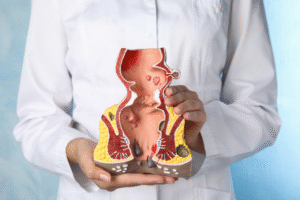
Anal pain, bleeding, or discharge are symptoms many people hesitate to talk about, often delaying medical care. Two of the most commonly confused anorectal conditions are anal fissure and anal fistula. While both affect the anal region and can cause significant discomfort, they are very different conditions with different causes, treatments, and outcomes.
Understanding the difference between fissure and fistula is crucial because incorrect or delayed treatment can lead to chronic pain, infection, and complications.
In this article, we explain fissure vs fistula in detail, including causes, symptoms, diagnosis, and the most effective treatment options available today.
What Is an Anal Fissure?
An anal fissure is a small tear or cut in the lining of the anal canal. It is usually caused by trauma to the anal mucosa, most commonly due to passing hard stools.
Common Causes of Anal Fissure
- Chronic constipation
- Passing hard or large stools
- Straining during bowel movements
- Chronic diarrhea
- Poor dietary fiber intake
- Childbirth (in women)
Symptoms of Anal Fissure
Patients with fissure typically experience:
- Sharp, severe pain during bowel movements
- Burning or tearing sensation
- Pain that may last for hours after passing stool
- Bright red blood on toilet paper or stool
- Fear of passing stool due to pain
👉 Pain is the most prominent symptom in fissure.
What Is an Anal Fistula?
An anal fistula is an abnormal tunnel-like connection between the anal canal and the skin around the anus. It usually develops as a result of a previous anal abscess.
Common Causes of Anal Fistula
- Untreated or recurrent anal abscess
- Infection of anal glands
- Crohn’s disease
- Tuberculosis (rare)
- Trauma or previous surgery
Symptoms of Anal Fistula
Fistula symptoms are different from fissure and may include:
- Recurrent pus or discharge near the anus
- Swelling or redness around the anal area
- Pain or discomfort (often less severe than fissure pain)
- Recurrent abscess formation
- Foul-smelling discharge
- Fever (if infection spreads)
👉 Discharge is the hallmark symptom of fistula.
Fissure vs Fistula: Key Differences Explained
| Feature | Anal Fissure | Anal Fistula |
| Nature | Tear in anal lining | Abnormal tunnel |
| Main Symptom | Severe pain during stools | Pus/discharge |
| Bleeding | Common | Rare |
| Infection | Usually absent | Usually present |
| Cause | Hard stools, constipation | Previous abscess |
| Surgery Needed | Rare (initially) | Almost always |
| Healing | Often heals with medicines | Does not heal on its own |
Acute vs Chronic Anal Fissure
Acute Fissure
- Present for less than 6 weeks
- Often heals with medical treatment
Chronic Fissure
- Lasts more than 6 weeks
- Associated with muscle spasm
- May require surgical intervention
Types of Anal Fistula
Anal fistulas are classified based on their complexity:
- Simple fistula – Straight tract, superficial
- Complex fistula – Multiple tracts or involvement of sphincter muscles
Accurate classification is essential to prevent recurrence and protect continence.
How Are Fissure and Fistula Diagnosed?
Clinical Examination
Most cases can be diagnosed through:
- Detailed symptom history
- Physical examination
Additional Tests (If Required)
- Proctoscopy
- MRI fistulogram (for fistula mapping)
- Ultrasound or CT scan (selected cases)
Early and correct diagnosis helps choose the right treatment and avoid repeated procedures.
Treatment of Anal Fissure
- Conservative (Non-Surgical) Treatment
Most fissures heal with:
- High-fiber diet
- Increased water intake
- Stool softeners
- Warm sitz baths
- Local ointments to relax anal muscles
- Medical Management
Includes medications to:
- Reduce sphincter spasm
- Improve blood flow
- Relieve pain
- Surgical Treatment (If Needed)
For chronic fissures not responding to medicines:
- Lateral Internal Sphincterotomy (LIS)
A small, controlled procedure with high success rates.
Treatment of Anal Fistula
Why Fistula Needs Surgery
Unlike fissures, anal fistulas do not heal with medicines alone because the infected tract persists.
Surgical Treatment Options
- Fistulotomy
- Fistulectomy
- Seton placement
- Advanced minimally invasive or laser techniques
The choice depends on:
- Fistula type
- Tract complexity
- Sphincter involvement
Laser Treatment for Fissure & Fistula
Laser procedures are increasingly used for:
- Reduced pain
- Faster recovery
- Minimal blood loss
- Short hospital stay
However, not all cases are suitable for laser, and proper patient selection is crucial.
Complications If Left Untreated
Untreated Fissure May Lead To:
- Chronic pain
- Non-healing wound
- Infection
Untreated Fistula May Lead To:
- Recurrent abscess
- Spread of infection
- Multiple fistula tracts
- Increased surgical complexity
When Should You See a Surgeon?
Consult a general surgeon or proctology specialist if:
- Pain during bowel movements persists
- Bleeding continues
- Pus or discharge is present
- Symptoms recur frequently
- Home remedies fail
Early treatment leads to simpler procedures and faster recovery.
Importance of Expert Surgical Care
Management of fissure and fistula requires:
- Accurate diagnosis
- Experience with anorectal anatomy
- Skillful surgical planning
- Proper post-operative care
Choosing an experienced surgeon reduces recurrence and complications.
Frequently Asked Questions (FAQs)
- Is fissure more painful than fistula?
Yes. Fissure pain is usually more intense, especially during bowel movements.
- Can fissure turn into fistula?
Not directly, but infection of fissure may increase complications.
- Can fistula heal without surgery?
No. Surgery is almost always required.
- Is laser treatment safe for fistula?
Yes, in selected cases when performed by experienced surgeons.
- How long does recovery take?
- Fissure: days to weeks
- Fistula: a few weeks depending on surgery
- Can these conditions recur?
Yes, especially without dietary and lifestyle changes.
- Is hospitalization required?
Many procedures are day-care or short-stay surgeries.
- Which doctor should I consult?
A general surgeon or proctology specialist is best.
Final Thoughts: Fissure vs Fistula
Although anal fissure and anal fistula affect the same region, they are fundamentally different conditions. While fissures often heal with conservative treatment, fistulas almost always require surgery.
Early consultation, correct diagnosis, and expert care ensure:
- Faster recovery
- Less pain
- Lower recurrence
- Better quality of life
If you are experiencing persistent anal pain, bleeding, or discharge, do not ignore the symptoms—timely medical care can make all the difference.